Call Us
+8615864607907
 CN
CN
 EN
EN
 ru
ru  fr
fr  de
de  es
es  pt
pt  ar
ar  hi
hi  id
id  tr
tr  it
it  pl
pl  nl
nl 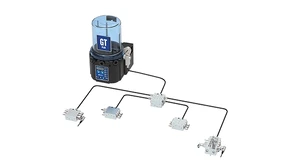

Apr 01 2024
Read More

In the harsh agricultural operating environment, traditional manual lubrication methods can no longer ensure timeliness, accuracy, and reliability for the numerous and critical lubrication points of a Manure Spreader. Missed lubrication leading to bearing seizure and abnormal wear of joint components is one of the primary causes of unplanned equipment downtime. This document provides an in-depth analysis of the core lubrication requirements of a Manure Spreader and presents a professional, automated solution based on the CISOLUBE lubrication system.
Manure Spreaders feature complex structures and operate under severe conditions, with a large number of lubrication points subjected to different working loads. Based on typical structural analysis, one machine generally contains 30–50 lubrication points, mainly distributed across the following key systems:
System Section | Key Lubrication Points & Conditions | Lubrication Challenges |
Steering System & Front Frame (6–8 points) | King pins, steering cylinder pivots, front axle oscillation joints | High impact loads; dispersed points; manual lubrication easily missed |
Axle & Suspension System (8–14 points) | Rear axle oscillation shafts, suspension link bushings, balance beam pivots | Heavy loads and vibration; grease extrusion or contamination; difficult access |
Tank & Chassis Connections (4–6 points) | Tank support hinges, subframe oscillation shafts, damping support pins | Micro-movement wear; requires good sealing to prevent mud and water ingress |
Spreading & Hose Distribution System (8–16 points) | Trailing hose frame hinges, folding/unfolding pins, distributor shafts | Corrosive manure exposure; frequent motion; high lubrication frequency required |
PTO & Drivetrain Components (4–6 points) | PTO universal joints, splined shafts, intermediate support bearings | High speed and torque; extremely high anti-wear and stability requirements |
Given the large number of lubrication points and varying operating conditions, ensuring that each friction pair receives the correct amount of properly matched lubricant at the right time requires a fully automatic and monitorable centralized lubrication system.
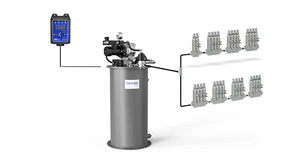
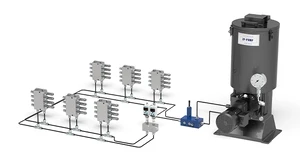
The core advantage of an automatic lubrication system lies in its deterministic sequence and monitorability. Lubricant delivered by the pump is distributed sequentially and proportionally to each lubrication point. Any blockage will stop system progression, providing immediate fault indication.
This system serves the majority of lubrication points such as bearings and pins under heavy load and requires high-adhesion, extreme-pressure, anti-wear grease.
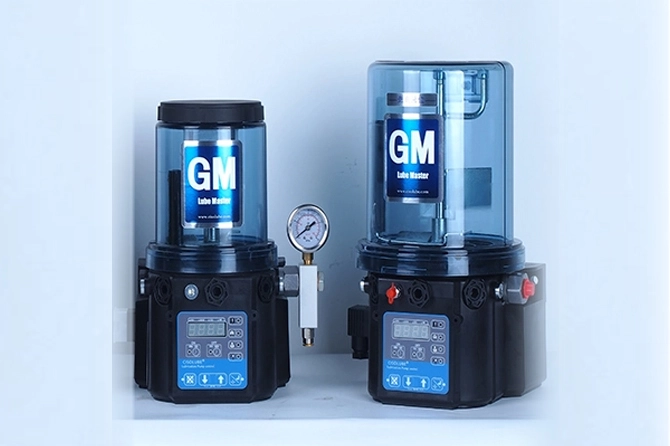
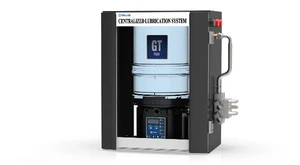
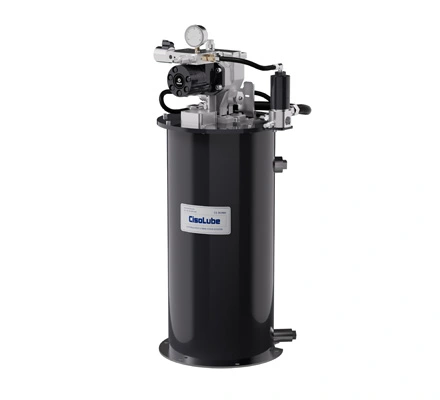
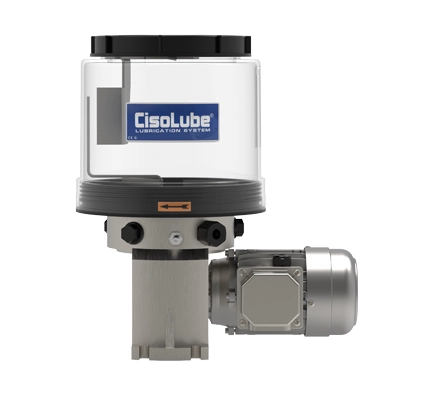
Lubrication Pump: CISOLUBE GT / GM / GP203 series electric lubrication pumps are recommended. These pumps provide high output pressure (up to and above 40 MPa) with stable displacement, ensuring reliable grease delivery even in low-temperature conditions or when using high-viscosity grease.
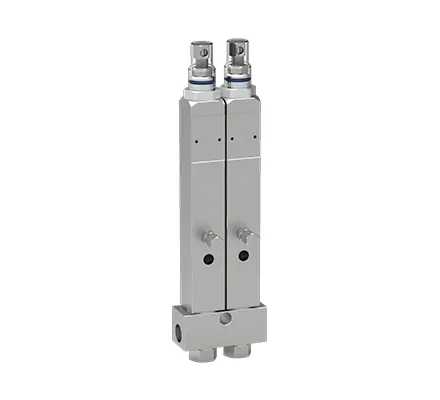
Distributors: Stainless steel CISOLUBE DSP / DSPP / DXF series progressive distributors feature modular designs with flexible outlet combinations and excellent corrosion resistance.
Piping and accessories: High-pressure nylon tubing or steel pipes are used, with check valves installed at each lubrication point to prevent backflow and contamination.
For chain-driven mechanisms, low-viscosity oil with high penetration is required, along with independent control of lubrication intervals and volumes.
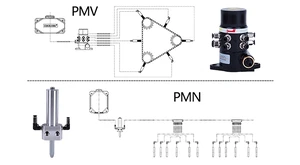
Lubrication Pump: CISOLUBE PMV or EM2 series oil lubrication pumps are suitable for precise, timed lubrication of chains.
Distribution: Lubrication oil can be delivered via VSD distributors for multi-point control or directly sprayed onto chain articulation points using metering nozzles.
Lubrication point mapping and grouping are performed based on proximity and lubricant type to optimize piping layout and reduce installation costs.
Product selection calculations determine the required lubricant volume per point, distributor configuration, and final lubrication pump model according to operating conditions.
The lubrication pump can be connected to the vehicle electrical system or configured with an integrated controller to achieve fully automatic lubrication.
Professional installation and commissioning ensure secure piping and effective lubrication at every point.
Core benefits include failure prevention, improved maintenance efficiency, and easy condition monitoring through visual indicators or electronic monitoring devices.
Equipping your Manure Spreader with a CISOLUBE centralized lubrication system is a strategic investment focused on total life-cycle cost. It transforms lubrication from an unreliable maintenance task into a precise and dependable automated safeguard, ensuring high equipment availability, reduced maintenance costs, and improved farm operating efficiency.