Call Us
+8615864607907
 CN
CN
 EN
EN
 ru
ru  fr
fr  de
de  es
es  pt
pt  ar
ar  hi
hi  id
id  tr
tr  it
it  pl
pl  nl
nl 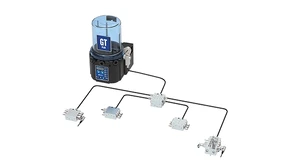
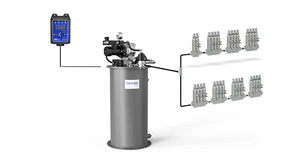
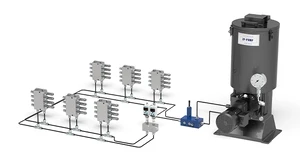
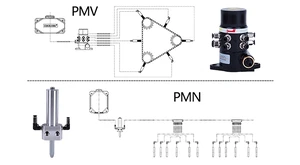
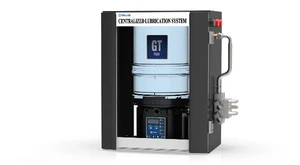


High-performance Lubestar hydraulic pumps combine rotary-driven pump motors with reciprocating pump tubes and flexible control features that perform in desert heat and arctic cold.

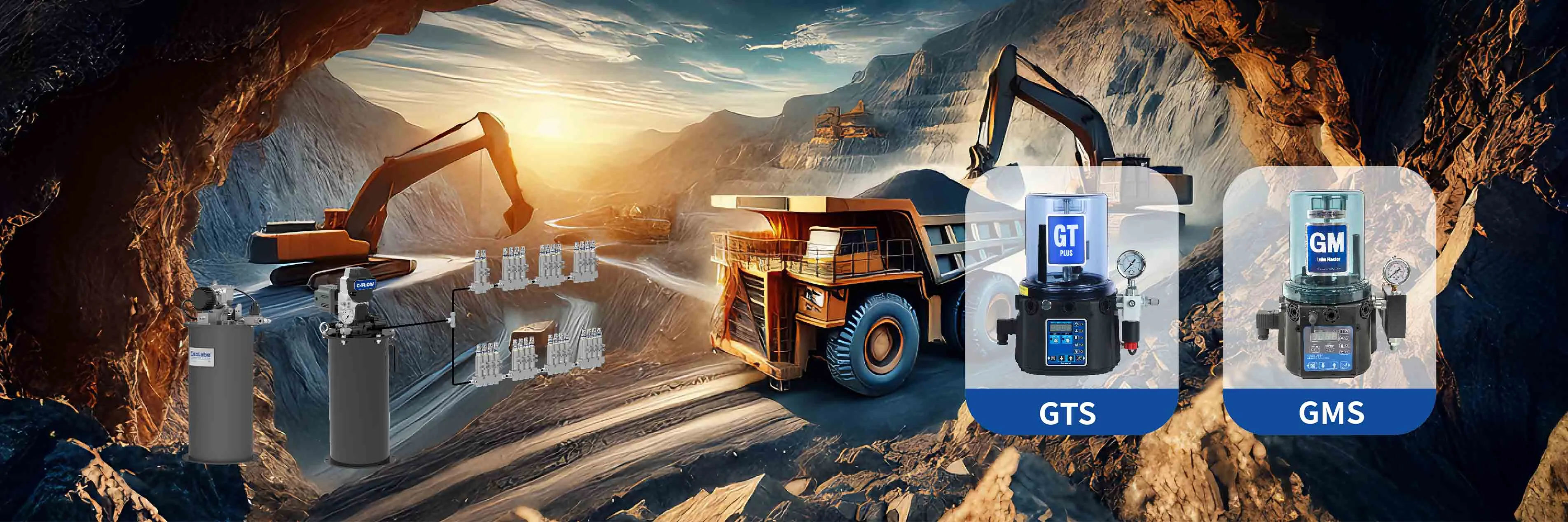
The automatic single-line lubrication system is the most widely spread total loss lubrication system in the general engineering field.
Small quantities of oil or fluid grease are fed intermittently in the desired cycle time of the lubrication point. Example 5 to 1000 mm³ dosing volume, to 25 bar pressure at lubrication point, for a pump pressure of 25 to 150 bar.
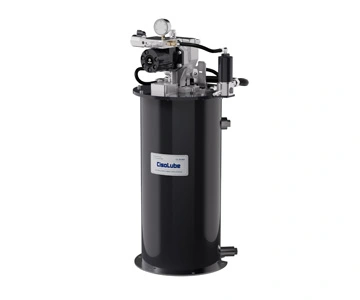
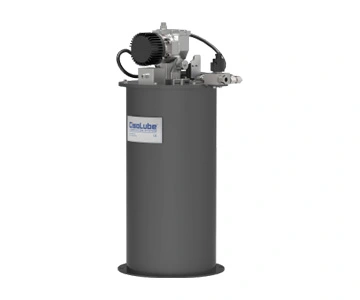
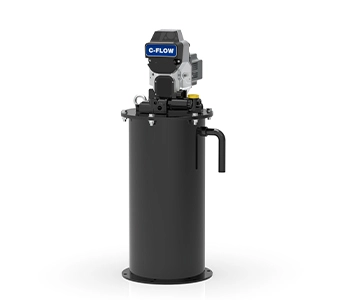
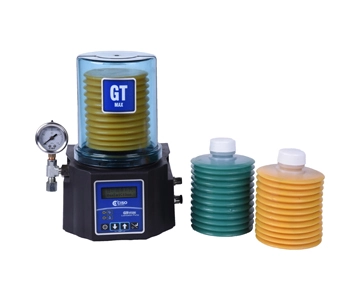
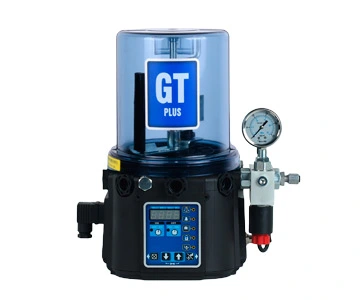
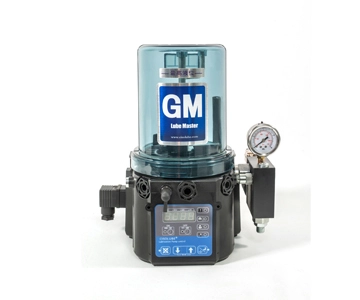
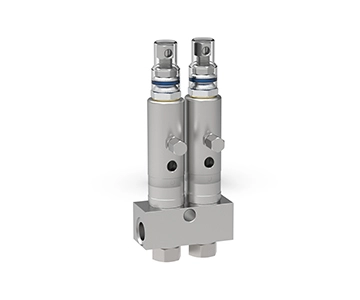
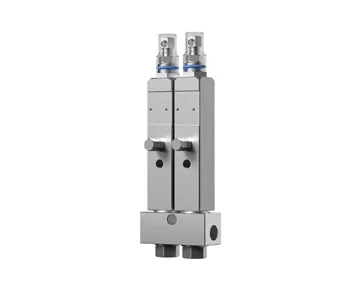
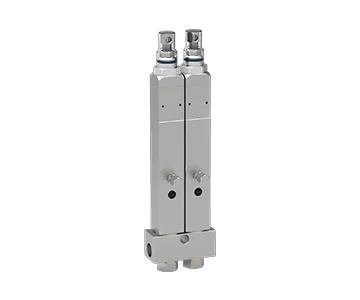
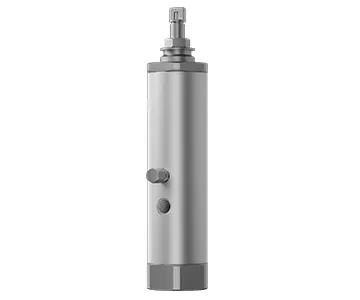
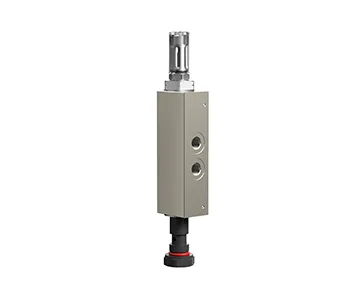
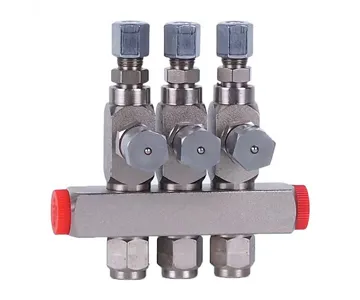
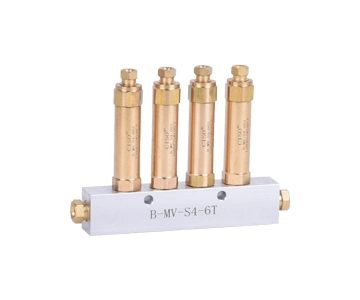
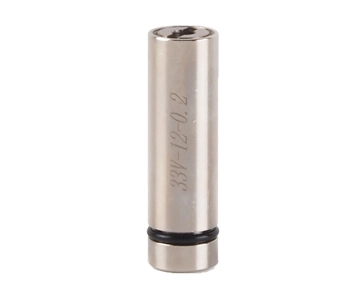
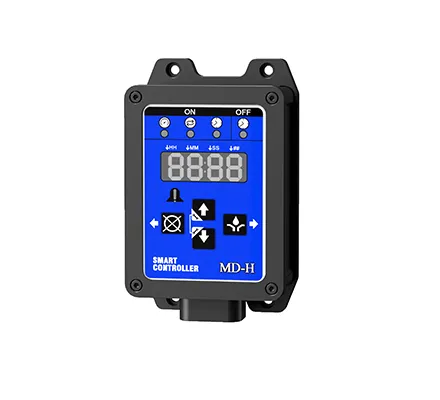
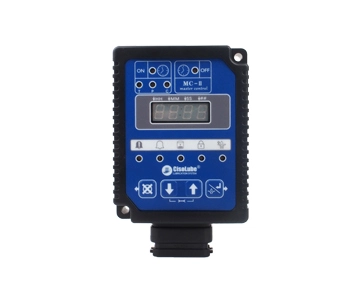

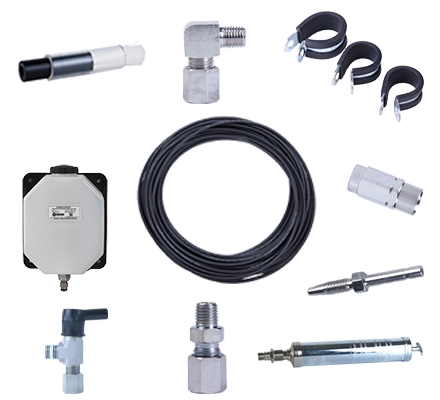

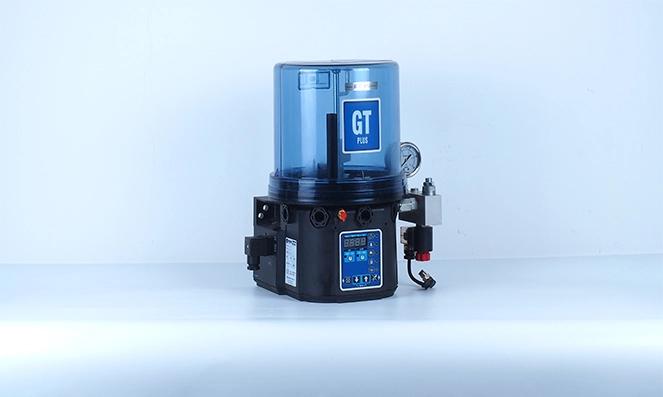
Connecting numerous lubrication points
Smallest dosing quantities
Compact construction
For oil or grease
Cost-effective
Easy assembly
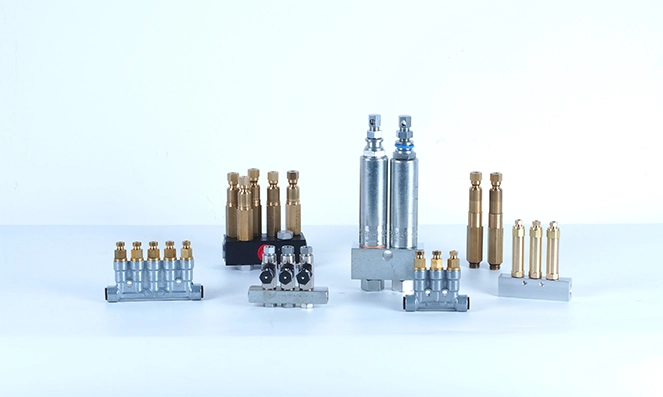
A — C-FLOW Single Line Lubrication Pump
B — LUBESTAR Hydraulic Pump
C — LUBESTAR Electric Pump
D — GTS Single Line Lubrication Pump
E — GMS Lubrication Pump
F — GT-MAX Lubrication Pump
1 — Return solenoid valve assembly
2 — Pressure gauge
3 — Pipelines
4 — Filter
5 — Tee branching pleces
6 — Pipe clamps
7 — Four branching pleces
8 — Grease distributor-Volumetric distributor
9 — Check device(pressure switch)
10 — Line to the lubrication point
11 — Controller
| Feature | Progressive Lubrication Systems | Single-Line Lubrication Systems | Dual-line Lubrication Systems | Agricultural Machinery Lubrication System |
| Definition | Progressive lubrication system is an efficient lubrication system used for mechanical equipment, providing lubricant progressively to different parts of the equipment to ensure each part receives an adequate amount of lubrication. |
The lubrication pump automatically delivers lubricant to the lubricant dispenser via a single supply line. Each dispenser serves only one lubrication point and can be adjusted to provide the exact dose of grease or oil required. |
Dual-line systems can be used on large systems with dispersed lubrication points that require varying lubrication quantities These systems utilize two main lines that are supplied alternately with lubricant from a high-pressure pump. |
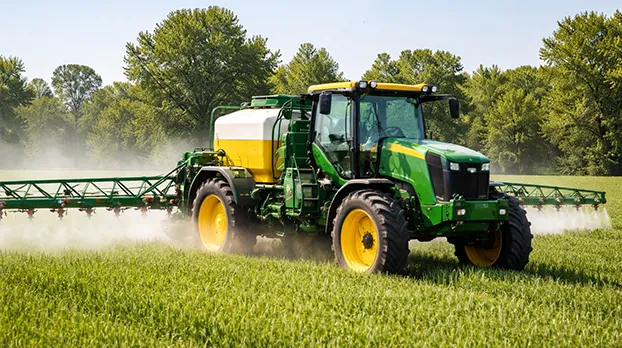
An automatic lubrication system for agricultural machinery is an intelligent system that provides quantitative and timed lubrication to key components of agricultural machinery. Through a lubrication pump and distribution device, it precisely delivers grease or lubricating oil to each friction point, ensuring stable operation of the equipment even under high loads, dusty, and humid environments. This system can significantly reduce manual maintenance, lower failure rates, and extend equipment life, thereby improving the overall operating efficiency and reliability of agricultural machinery. |
| Basic Components | A —GT auto lube pump B —GM auto lubrication pump C—GP203 lubrication pump D—GP205 lubrication pump E—GT-X lubrication pump F—GT-HEAVY lubrication pump G—GP212 lubrication pump Outlet relief valve elements Main line Filter Pressure switch Progressive distributor(1generation) Progressive distributor(2generation) Progressive distributor(2generation) Progressive distributor(3generation) Function control Fault Monitoring Pipes and hoses Line to the lubrication point Controller |
A — C-flow lubrication pump D — GTS single line lubrication pump E — GMS electric lubrication pump F — GT-MAX lube grease pump Return solenoid valve assembly Pressure gauge Pipelines Filter Tee branching pleces Pipe clamps Four branching pleces Volumetric distributor Check device(pressure switch) Line to the lubrication point Controller |
DSG Dual-line Metering Devices DSL Dual-line Metering Devices DSKH Metering Devices WP-C Electric Change-Over Valve DU-C Hydraulic Change-Over Valves MC-ⅠSystem Control Box EPW End-of-line Pressure Switches |
Grease distributor block Oil Tank Brushes High-Pressure Flexible Pipe |
| Working Principle | The lubricant is pumped through the main lines to the progressive distributor with the pump. The lubricant is elivered "progressively" to the friction point. The circulation of a progressive distributor is monitored optically or electrically. |
The dosing values are impinged on the main line with the pump – dynamically operating metering valves with a pressure surge, static operating dosing elements with slow pressure build-up. These thus transfer the respective quantity of the lubricant to the friction point.During the following relief phase, the lubricant is restacked in the dosing valves for the next lubrication process. |
CISO dual-line systems can be used on large systems with dispersed lubrication points that require varying lubrication quantities. These systems utilize two main lines that are supplied alternately with lubricant from a high-pressure pump via a change-over valve at up to 400 bar (5 800 psi) Branch lines, along the main lines, are connected with dual-line metering devices to supply a large volume of lubricant to the lubrication points Within large dual-line systems, end-of-line pressure switches are used to control and monitor the system. |
Automatic lubrication systems for agricultural machinery deliver oil or grease automatically, periodically, and in precise amounts while the equipment is running. Lubrication pumps driven electrically or mechanically deliver lubricants through distributors or pipes to each lubrication point, keeping bearings, chains, gears, and other critical components well-lubricated, reducing wear and extending service life. |
| Advantages | Compact, flexible kit Monitored function Channels flow through completely Wide range of use |
Connecting numerous lubrication points Smallest dosing quantities Compact construction For oil or fluid grease Low cost and high efficiency Easy assembly |
Reliable Simple to service Ultrasonic low- and high-level control options Built-in lubricant filter |
Install once, benefit long-term. Continuous operation during peak seasons, improving efficiency. Low maintenance cost, precise lubrication. Smoother operation of key components, more durable. Dustproof and waterproof, suitable for harsh working conditions. |

CISO-Your Partner in Advanced Central Lube System