Commercial Vehicle Lubrication Solutions
Commercial vehicles operating under long-haul, high-load, and complex conditions face challenges in managing lubrication of critical components. Using an Auto lubrication system enables automated and metered lubrication, improving vehicle reliability while reducing maintenance costs.

Challenges in Commercial Vehicle Lubrication
Lubrication management in commercial vehicles faces multiple challenges. First, key components are widely distributed, including wheel hubs, universal joints, drive shafts, and suspension connectors, each requiring regular and accurate lubrication. Traditional manual lubrication is inefficient and prone to omission or under-lubrication. Second, commercial vehicles operate long-term under high loads, long-distance travel, and complex conditions, which accelerates wear at lubrication points. Maintenance cycles are short, and manual inspections and point-to-point lubrication cannot keep up with actual demand. Furthermore, different components have varying lubrication cycles; traditional methods can lead to over-lubrication at some points while under-lubricating others, increasing wear and failure risks. In addition, high labor costs and low efficiency make traditional methods insufficient to meet modern transportation industry demands for vehicle reliability and operational efficiency. These are the main challenges that necessitate improvements in commercial vehicle lubrication management.
Working Principle of Commercial Vehicle Auto Lubrication System
An Auto lubrication system consists of an automated network of pumps, grease distributor blocks, and pipelines, delivering grease to each lubrication point at preset intervals and doses, ensuring continuous and adequate lubrication for critical components. This type of lubrication systems not only reduces manual intervention and lowers maintenance costs but also extends component life, improves vehicle reliability under long-haul and high-load conditions, and minimizes unplanned downtime and failures.
Features of Commercial Vehicle Auto Lubrication System
The system is characterized by automation, metered lubrication, and continuity. It can be flexibly configured according to different vehicle sizes and lubrication point layouts. The system precisely controls grease supply to each lubrication point, avoiding over- or under-lubrication and ensuring smooth vehicle operation. Additionally, the Auto lubrication system is highly adaptable, allowing expansion or adjustment according to vehicle type, number of lubrication points, and operating conditions, providing a stable and reliable maintenance solution for commercial vehicles, reflecting the core capabilities of automatic lubrication system manufacturers.
Common Auto Lubrication System Products for Commercial Vehicles
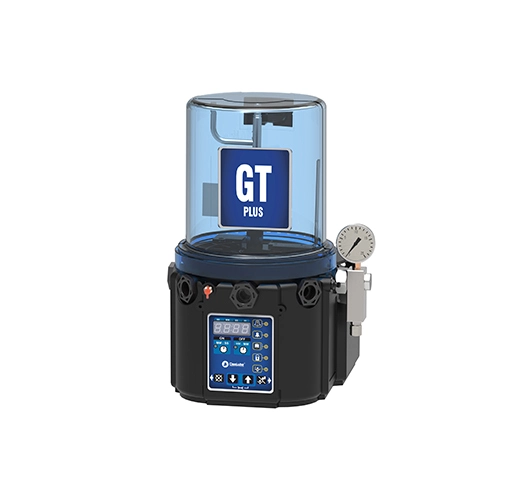
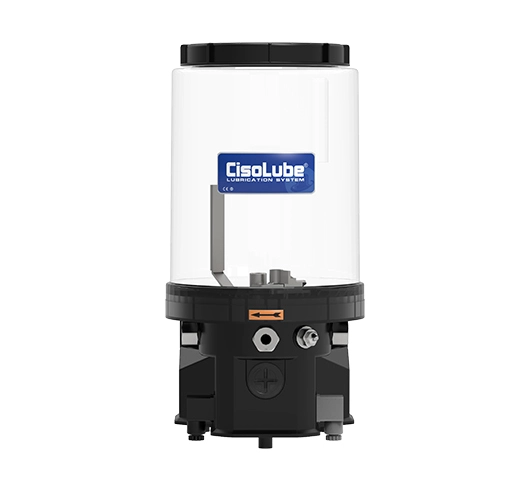
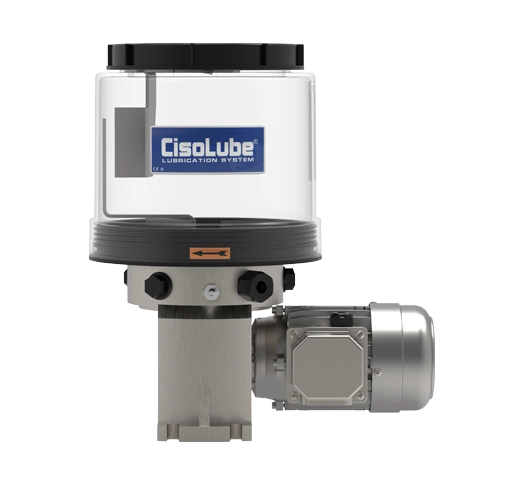
In practical applications, commercial vehicle Auto lubrication systems mainly use a combination of CODELUBE Auto lubrication pumps and Grease distributor blocks. These lubrication pumps include GT PLUS, GP203, and GP205, capable of multi-point continuous lubrication and high-pressure operation, meeting lubrication needs for vehicles of various scales. The Grease distributor blocks include DSP, DSPP, DKF, and VSP series, flexibly distributing grease according to the number of lubrication points and output requirements, ensuring precise lubrication for each critical component. The combination and layout of pumps and distributor blocks are flexible and can be customized for different vehicle types, achieving efficient, stable, and reliable Auto lubrication. These lubrication systems are commonly applied to: commercial buses (large, medium, and small), commercial trucks (heavy, medium, and light), construction vehicles, and sanitation vehicles.